

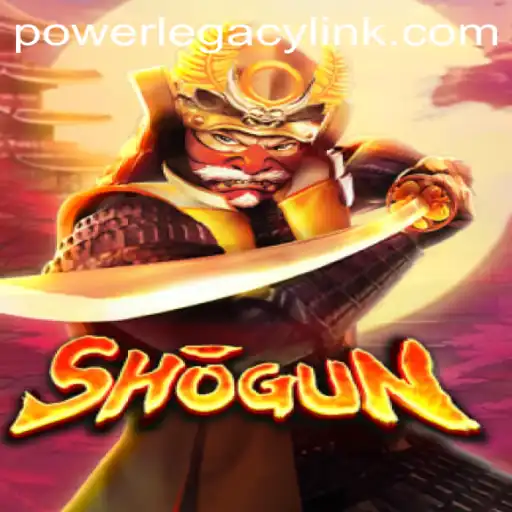

In the realm of strategy games, few titles capture the historical essence and strategic depth quite like Shogun. This captivating game is an intricate blend of historical narrative, military strategy, and political intrigue, all set within the feudal age of Japan. The allure of becoming a shogun, the military governor and de facto ruler of Japan, brings about a power legacy that few can resist. As we delve into the world of Shogun, we uncover a universe where precision, cunning, and strategic foresight reign supreme.
Set against the backdrop of Japan’s tumultuous feudal era, Shogun propels players into the heart of the Sengoku Jidai – a time when the land was rife with social upheaval, political intrigue, and near-constant military conflict. The game’s narrative is entrenched in this period, inviting players to navigate the complex tapestry of alliances, betrayals, and battles that define this era.
The rich history of this period provides a captivating environment for Shogun, offering players the chance to step into the shoes of powerful daimyo – local lords eager to expand their influence and assert their dominance over the archipelago. The promise of power, prosperity, and the indelible legacy of becoming a shogun serves as a driving force in the game’s engrossing narrative.
Shogun is more than just a board game; it is a meticulous exercise in planning, strategy, and adaptability. Players are tasked with managing their provinces, recruiting samurai, and forging alliances to withstand the trials of war and politics.
The board is a vivid depiction of Japan, divided into provinces, each belonging to the opposing daimyo. Every player starts with a limited number of resources, necessitating careful planning and wise resource investment. Provinces serve not only as battlegrounds but also as valuable assets in generating wealth and military units.
Combat in Shogun is a thrilling blend of tactical strategy and unpredictability. Players must balance aggression with defense, knowing when to expand their territories and when to consolidate their holdings. Winning battles relies on leveraging the strengths of one’s units, whether they are samurai warriors, archers, or cavalry.
The game's political aspect plays a pivotal role, with diplomacy and negotiation offering paths to victory that can be as effective as military conquest. Players must master the art of alliances, knowing when to trust and when to betray, crafting a narrative of their ascendancy in Japan’s complex political landscape.
The primary objective of Shogun is to become the supreme ruler of Japan by either eliminating rival daimyo or controlling a majority of the provinces. The game allows for multiple paths to victory, emphasizing different aspects of strategy and planning.
At the start of the game, players establish their initial territories and resources. Each turn comprises multiple phases, including resource collection, military recruitment, strategy planning, and the dreaded combat phase.
The resource phase is crucial, as players must judiciously gather and allocate resources to strengthen their military and economic power. During the recruitment phase, building a balanced army capable of both defense and attack is vital, considering the varied terrain and proximity to adversaries.
In the strategy phase, players outline their moves, plan their conquests or defenses, and decide which alliances to seek or abandon. This phase is the intellectual heart of Shogun, requiring foresight and careful consideration of opponent tactics.
The combat phase is a test of execution, where the plans set during the strategy phase come to fruition. The outcome of battles is determined by the relative strength and strategic positioning of units on the board, with dice rolls adding a layer of unpredictability.
In today’s gaming landscape, the appeal of Shogun lies in its ability to immerse players in a historical context while challenging them with modern strategic mechanics. With the rise of digital platforms and online gameplay, Shogun has found new audiences and has adapted to maintain its relevance.
Recently, the resurgence of interest in board games, fueled by global events, has seen traditional games like Shogun being embraced by a new generation of players. The game’s thematic richness and its depth of strategy offer a compelling experience that resonates with both history enthusiasts and strategy aficionados.
Moreover, the Power Legacy expansion has brought additional layers to the game, introducing new mechanics and objectives that deepen the gameplay and allow for increased replayability. This addition challenges players to think even more creatively and strategically, solidifying Shogun as a timeless classic in the genre of strategic board games.

Dive into the thrilling world of FastMaster, exploring its gameplay, rules, and the broader impact of its unique POWER LEGACY feature.

MrMiser combines strategy and adventure in a dynamic gaming experience linked to current events.

Delve into the engaging universe of ReelLove, a game inspired by the POWER LEGACY, offering players an unforgettable journey through its unique mechanics and enthralling storyline.

Explore ProsperityTiger, a captivating game where strategic thinking and the struggle for POWER LEGACY determine your path to triumph.

Dive into the intricate world of Apollo: Power Legacy, a game that combines strategic depth with engaging storytelling. Discover its unique gameplay, rules, and how it connects to current global events.

Explore the enchanting world of FortuneRabbit and discover the intricacies of its gameplay, rules, and the captivating theme of POWER LEGACY in the backdrop of today's gaming landscape.
